Ford Key Technology: Understanding the Terminology Before You Call
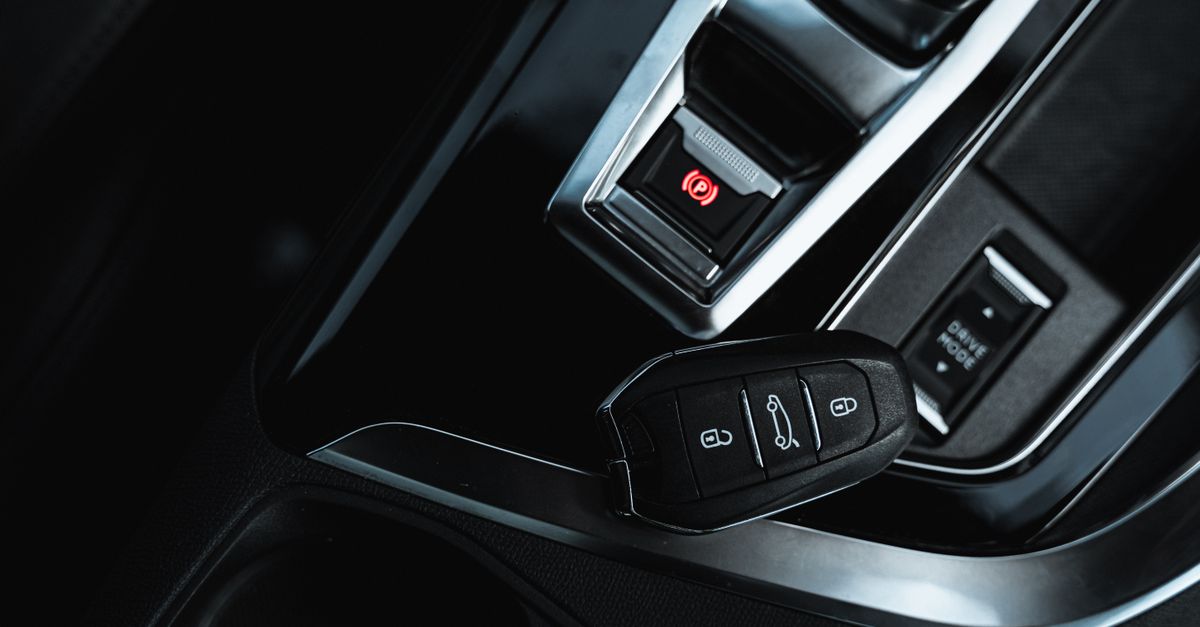
Ford has evolved through several key generations, and knowing the difference helps you understand exactly what a replacement involves. The oldest Ford vehicles use a basic cut metal key with no electronics — straightforward to duplicate. From the mid-1990s onward, Ford introduced the Passive Anti-Theft System (PATS), which pairs a transponder chip embedded in the key head to the vehicle's powertrain control module. Without a correctly programmed chip, the engine will start briefly and then stall — the car is not simply 'unlocked,' it is electronically refused. Later models added remote key fobs (separate or combined with the key blade), and more recent Fords like the Edge, Expedition, and Escape trims use intelligent access or push-button proximity smart keys that communicate with the vehicle continuously. Each layer of technology changes the replacement process: a transponder key requires programming to your specific vehicle VIN; a smart key requires both cutting and pairing via OBD diagnostic software.
There is also a lesser-known service relevant to Ford trucks and vans: rekeying the lock cylinder itself. Owners sometimes ask how to rekey a Ford lock cylinder after a break-in, a lost key concern, or when buying a used vehicle. Rather than replacing the whole door handle assembly, a skilled locksmith can rekey the Ford door lock cylinder so that a new key operates all the locks — effectively giving you a fresh, matched set. This is particularly practical for Ford Transit fleet vehicles operating around the Anderson industrial corridor where multiple drivers may have had key access over time.