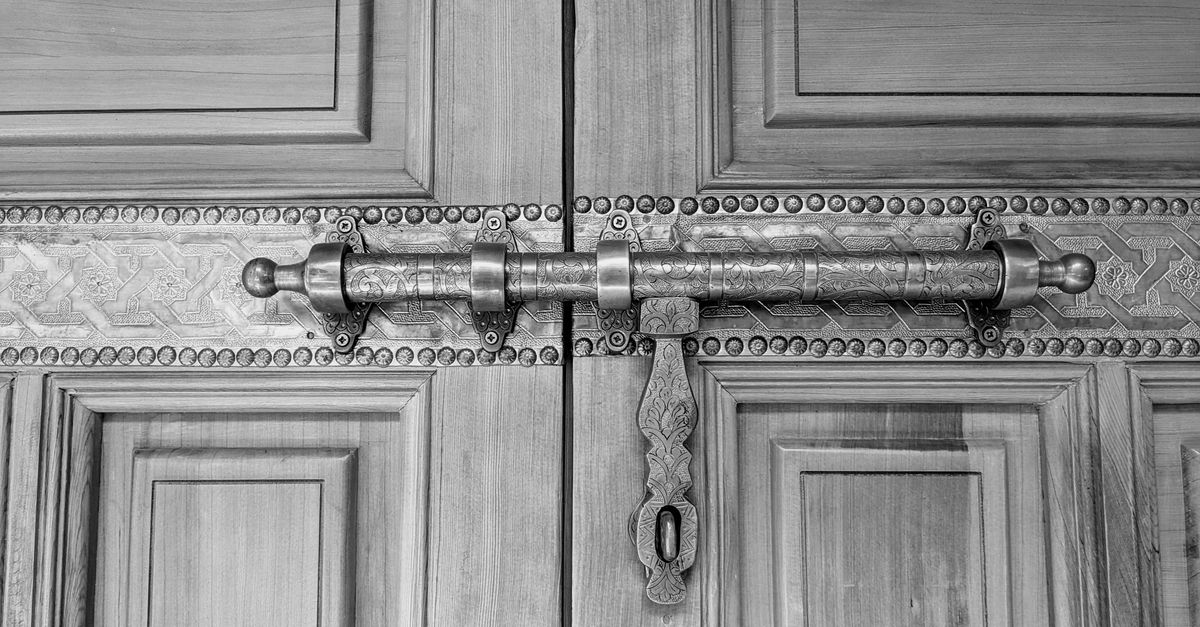
What Is a Mortise Lock and Why Does It Matter for Your Home?
A mortise lock is a lock mechanism that is set into a precisely cut pocket — called the mortise — within the door edge itself. Unlike a bored cylindrical lock that simply drops into two drilled holes, a mortise lock set houses the latch bolt, deadbolt, cam mechanism, and often a secondary privacy function all inside a single steel or brass case. This integration is what gives mortise locks their superior resistance to kick-in and pry attacks. The door remains structurally intact around the hardware because the case is recessed flush, leaving no protruding edges for a pry bar to catch. For homeowners on older Anderson properties — particularly those built before the 1970s when cylindrical locks became the residential standard — understanding what is a mortise lock also means understanding that modern replacement parts are not always interchangeable, and that fitting the wrong cylinder or case can compromise both function and security.
Terminology matters when you are troubleshooting or ordering parts. The mortise lock cylinder is the separate plug that accepts your key and translates rotation into cam movement inside the case. It threads or clips into the face of the case and can usually be replaced independently without pulling the entire unit. The trim — meaning the knobs, levers, roses, and escutcheon plates — attaches to the outside of the door and is purely cosmetic and functional at the grip level; it does not carry the structural load of the lock itself. Knowing this distinction saves homeowners from unnecessarily replacing a full mortise lock set exterior door assembly when only the cylinder is worn.