Signs Your Door Knob Lock or Deadbolt Has Reached the End of Its Life
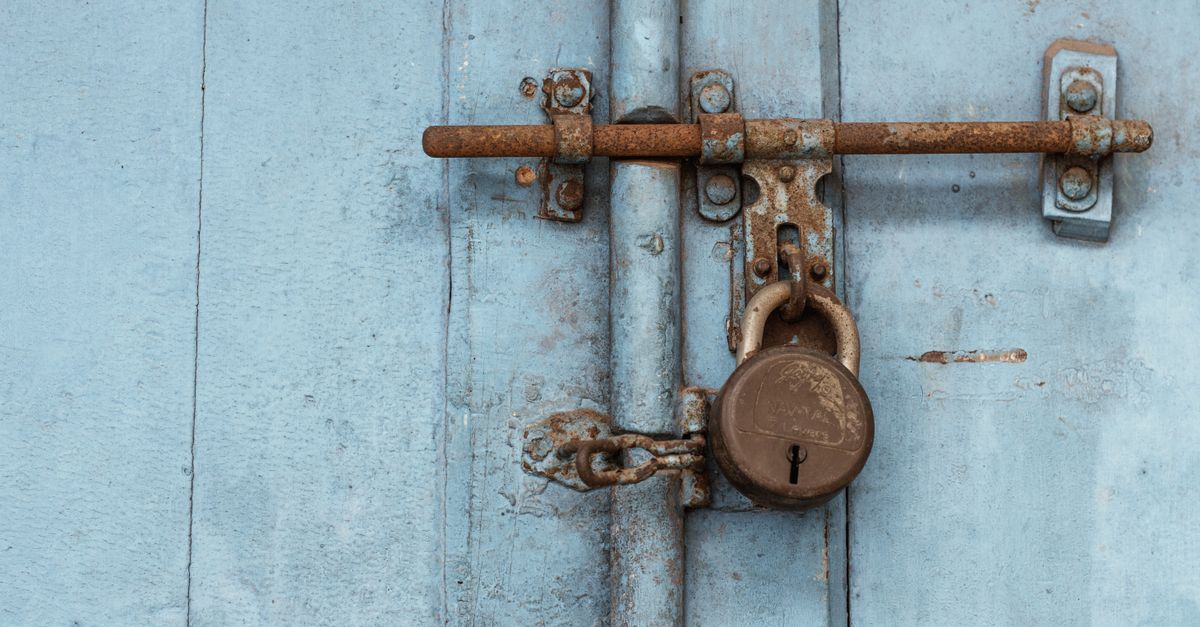
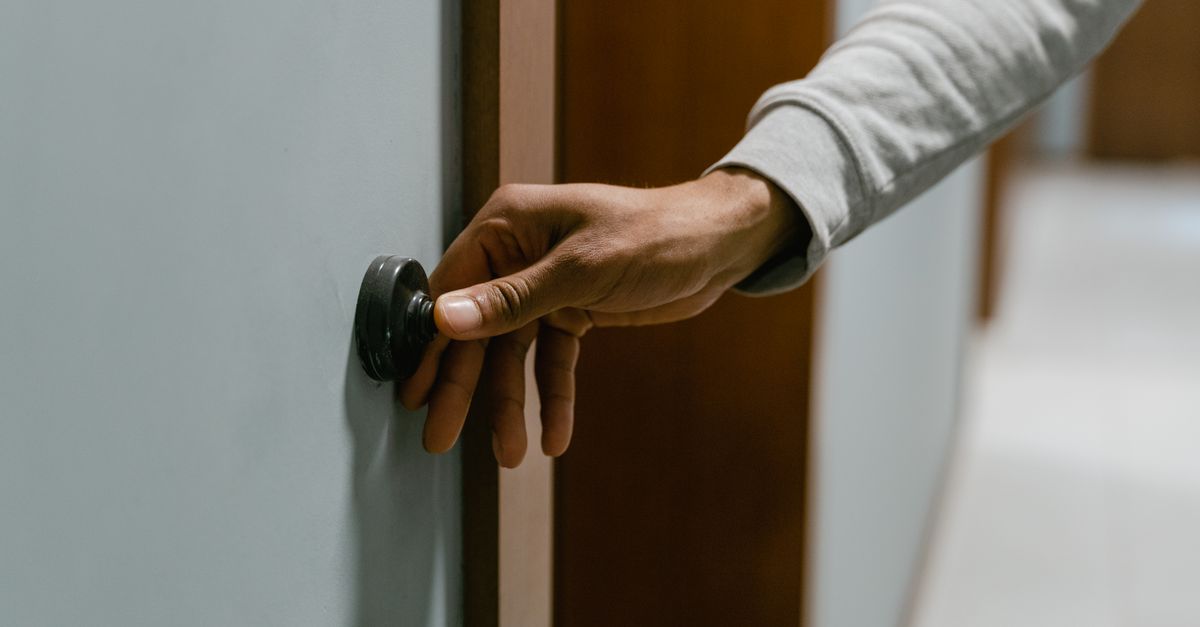
Most door knob locks do not fail dramatically — they degrade slowly. You might notice the knob has developed play, the latch no longer catches cleanly, the key requires a firm wiggle before it turns, or the lock cylinder spins without fully retracting the bolt. A deadbolt that drags against the strike plate or a thumb-turn that has become stiff is sending the same message: the internal mechanism is worn beyond reliable use. Ignoring these signs is a gamble Anderson homeowners and business owners cannot afford, especially on a primary entry door.
Damage from a prior forced-entry attempt or a botched DIY repair accelerates internal wear in ways that are not always visible from the outside. Our experienced technicians can identify whether a lock is salvageable or whether door knob and deadbolt replacement is the safer long-term call. We use professional diagnostic tools — picks, tension wrenches, plug followers, and scope inspection equipment — to evaluate cylinder integrity without dismantling healthy hardware unnecessarily. What tools do locksmiths use? Beyond the familiar tension wrench and pick set used strictly for legitimate, ownership-verified lockout work, our technicians carry plug spinners, key decoders, impressioning tools, and extractors that let us assess and service locks with precision.