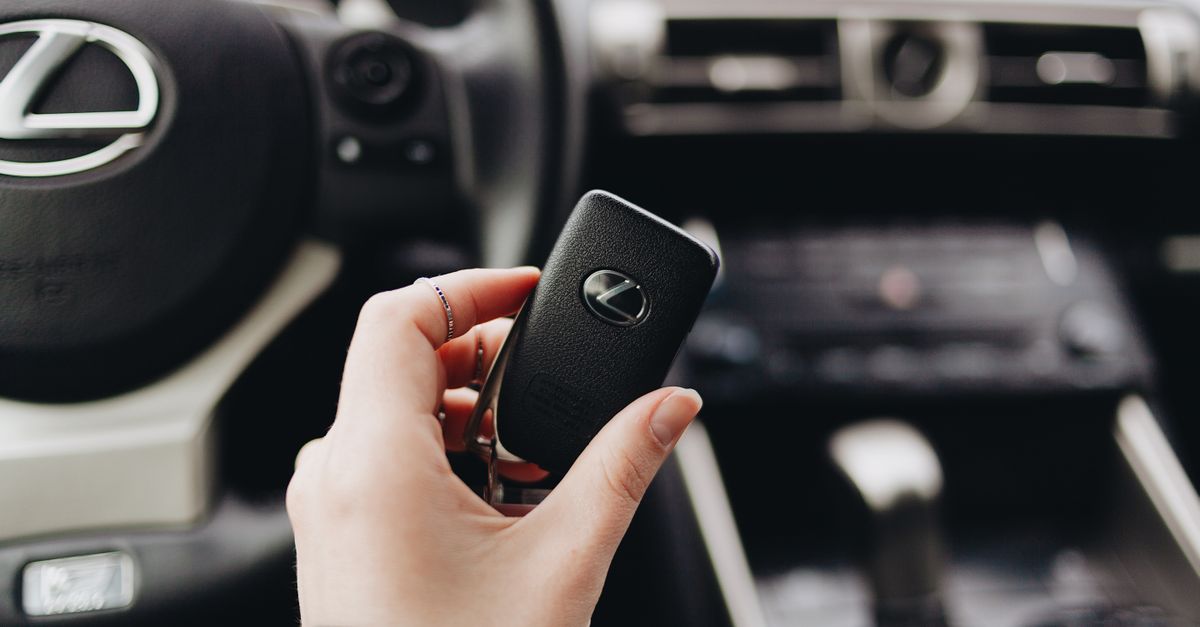
Toyota Car Key Replacement: Understanding What You Actually Have
Not every Toyota key is the same, and the terminology matters when you're trying to figure out what's wrong and what a replacement will involve. A basic cut key — common on Toyotas from the late 1980s through the mid-1990s — is purely mechanical; a locksmith cuts it to the right bitting and it operates the lock cylinder with no electronic component at all. Starting in the mid-1990s, Toyota began embedding a small transponder chip inside the plastic head of the key. When you insert and turn a transponder key, the car's immobilizer antenna reads the chip's code; if it doesn't match the vehicle's stored value, the engine won't start even if the cut is perfect. That means a hardware-only duplicate from a big-box store will open your door but leave you stranded.
Remote key fobs added a radio-frequency layer so you could lock, unlock, and sometimes start the car from a distance. Toyota then merged the fob and the cut key into a single flip-key or 'combo key' unit. The most recent generation — used on models like the Camry XSE, Highlander, and Avalon — is the smart key or proximity key, sometimes called a key fob with push-button start. With a smart key, the vehicle continuously broadcasts a low-frequency field; as long as the authenticated fob is within range (usually a meter or so), you can open the door by touching the handle and start the engine by pressing the button. Losing or damaging a smart key requires both cutting a physical emergency blade and reprogramming the proximity module — a job that demands professional-grade Toyota-compatible equipment.