Pro Anderson Locksmith Service Team
Local locksmith team
Jun 11, 2026 11 min read
If you run a shop on North Main Street, manage an office suite near the Anderson Mall, or own a multi-tenant building anywhere in Anderson, SC, the hardware on your commercial doors is doing far more work than most people realize. It controls who gets in, satisfies fire-code requirements, and — critically — determines whether your property meets the Americans with Disabilities Act. Getting it wrong can mean fines, failed inspections, or a liability claim. Getting it right starts with understanding what the hardware actually is and what a skilled commercial door locksmith can do to bring your doors into compliance.
This guide breaks down the three hardware types Anderson business owners ask about most: lever handles, panic bars, and mortise locks. We will explain the terminology in plain language, walk through what ADA compliance actually demands, and show you when a professional locksmith for commercial doors is the right call versus a general contractor.
## Why Commercial Door Hardware Terminology Matters for ADA Compliance
Terms like 'mortise lock,' 'rim lock door hardware,' and 'exit device' get used interchangeably on job sites and in supply catalogs, but they describe very different products with very different installation requirements. A mortise lock door hardware assembly, for example, is machined into a deep rectangular pocket cut into the door edge. It houses the latch, deadbolt, and sometimes a cylinder all in a single cartridge. Rim lock door hardware, by contrast, mounts on the surface of the door face — no deep pocket required — and is common on older Anderson commercial buildings downtown where steel door frames have not been replaced. Knowing which type you have determines what compliance upgrades are even possible and whether changing a lock cylinder on a commercial door is a half-hour job or a full door-prep project.
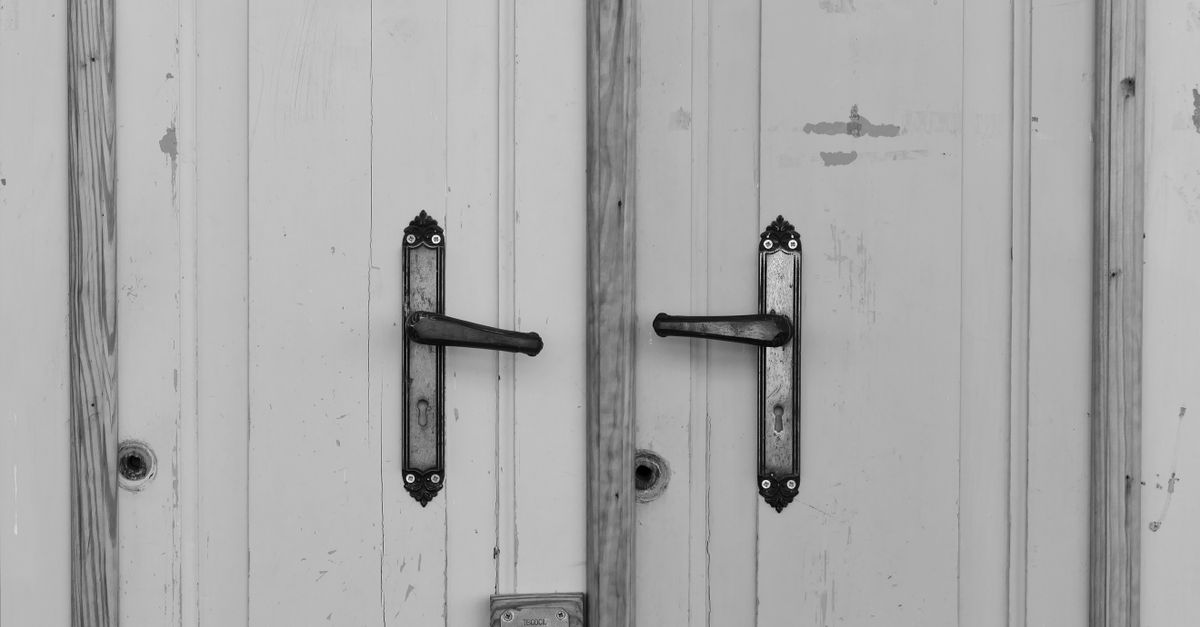
ADA Section 404.2.7 is specific: door hardware must be operable with one hand and must not require tight grasping, pinching, or twisting of the wrist. Round knobs fail that test. Keyed thumb-turns on the interior side of a deadbolt fail that test. Traditional door knob lock hardware on a public-facing commercial door is a liability waiting to happen in Anderson, just as it is anywhere else covered by federal law. The good news is that switching from a door knob lock to a lever-handle set on a commercial mortise lock body is a well-defined upgrade — and it is exactly the kind of work our team handles every day.
## What a Commercial Locksmith Actually Does Beyond Cutting Keys
Locksmith specializations are broader than most business owners expect. A qualified commercial locksmith is not simply someone who duplicates keys or responds to lockouts. The specialization covers hardware consulting, commercial door lock installation, master-key system design, access-control integration, high-security cylinder upgrades, and ADA hardware retrofits. There is also a meaningful difference between a locksmith trained on commercial door hardware and one who primarily serves residential customers — commercial doors are heavier, use different hinge weights, and often carry fire ratings that must not be compromised during any hardware change.
In the Anderson area, common commercial locksmith calls include: replacing worn mortise lock cartridges in retail storefronts, installing von Duprin or similar panic bar (exit device) assemblies on egress doors, re-keying master-key systems when an employee leaves, upgrading to lever-set trim on existing mortise lock bodies, repairing door closers so that doors close fully and latch (an ADA requirement), installing electric strikes for buzz-in access, and performing what is called a 'lock cylinder change on a commercial door' — swapping just the plug and pins without replacing the full lock body. Each of these is a distinct skill set, and combining them incorrectly can void a door's fire rating or break an insurer's requirements. If you are unsure which service your building needs, call (704) 850-6756 and we will talk through it with you at no obligation.
## Panic Bars, Lever Handles, and the Mortise Lock: An Anderson Business Owner's Field Guide
Panic bars — technically called 'exit devices' or 'crash bars' — are required by the International Fire Code on doors serving assembly occupancies above a certain occupant load. Many Anderson restaurants, churches, and event spaces along the South Carolina Highway 28 corridor fall into this category. A panic bar must release with no more than 15 pounds of force and must not require any special knowledge to operate. Mortise lock bodies are frequently used in conjunction with panic bar trim on the exterior side, giving you the security of a commercial door mortise lock while still meeting egress requirements from the inside. Installation is not a straightforward swap — the door must be measured for backset, the mortise pocket dimensions must match the lock body, and the exit device must be coordinated with the door's fire label if one exists.
Lever handles are the most visible ADA upgrade for Anderson businesses. ADA guidelines require levers to extend at least three inches from the door face so a closed fist can operate them, and they must return to within half an inch of the door face to prevent sleeve catches. When our team performs a commercial door lock installation that includes lever trim, we verify those clearances before the job is signed off. For buildings with aluminum storefront doors — very common in Anderson strip centers — the lever trim attaches to a different lock body than a steel door would use, and that distinction changes both the parts sourced and the labor involved. The factors that shape the final price on any hardware job include the lock body type, the door material and thickness, whether new prep (cutting or mortising) is needed, the specific trim and cylinder grade selected, and the time of day for the call. We confirm an exact up-front price before any work begins, so there are no surprises on the invoice.
## Regulation, Licensing, and What to Verify Before Hiring a Locksmith Anderson SC Businesses Can Trust
Regulation by country — and by state within the US — varies widely, and it is worth understanding where South Carolina stands. In the United States, locksmith licensing requirements differ dramatically from state to state. Some states mandate a formal license, background check, and continuing education hours. South Carolina does not currently require a statewide locksmith license, which means the barrier to calling yourself a locksmith here is low. The practical implication: business owners in Anderson should look past the license question and evaluate a locksmith on verifiable factors — years of documented commercial experience, insurance coverage, willingness to provide an itemized written quote, and familiarity with the hardware brands and door types common to commercial construction in the Southeast.
In the United Kingdom, the locksmith trade is similarly unregulated at the national level, though trade associations there provide voluntary accreditation that signals professional standards. The US approach is comparable in states like South Carolina — the market relies on reputation, insurance, and demonstrated skill rather than a government-issued credential. What that means practically for an Anderson business owner is this: ask your locksmith whether they are insured, ask for a written scope of work, and ask specifically whether they have experience with commercial door mortise lock systems and ADA compliance retrofits. Our team is insured, experienced specifically in commercial hardware, and happy to answer all of those questions before we ever touch your door.
## Maintaining Compliance Over Time: When to Call a Locksmith for Commercial Doors
ADA compliance is not a one-time checkbox. Door closers lose their spring tension and stop pulling doors fully shut — that gap violates the requirement that a door close and latch under its own power. Mortise lock cartridges wear out and begin failing to latch, creating both a security gap and a potential code issue. Panic bar linkages corrode in South Carolina's humid summers and can begin requiring more than the allowed 15-pound force. Each of these is a scenario where calling a locksmith for commercial doors is faster, safer, and more cost-effective than waiting for a general contractor's schedule to open up. A skilled commercial locksmith can assess whether you need a full commercial door lock installation or simply a cylinder swap, a closer adjustment, or a hardware lubrication service.
Anderson businesses that stay proactive about hardware maintenance avoid the worst-case scenario: a failed fire marshal inspection or an ADA complaint filed after a customer with mobility limitations struggles with a stiff door or a non-compliant knob. We serve the entire Anderson area, from the historic downtown district to industrial corridors off of SC-81, and we answer calls around the clock. Whether it is a panic bar that stopped retracting correctly at 11 p.m. before a morning opening or a mortise lock cartridge that cracked during a busy Saturday, Pro Anderson Locksmith is a 24/7 mobile team — call (704) 850-6756 any time and we will be on our way.
## Our Commercial Door Services at a Glance
Pro Anderson Locksmith handles a wide range of commercial hardware and security needs for Anderson area businesses, including: commercial door mortise lock installation and replacement, lock cylinder changes on commercial doors, rim lock door hardware installation and repair, panic bar and exit device installation, lever handle and ADA-compliant trim upgrades, door knob lock removal and lever conversion, master key system design and rekeying, high-security cylinder upgrades (Medeco, Schlage Primus, and similar grades), electric strike installation, magnetic lock installation, keypad and keycard access control integration, commercial deadbolt installation, push-pull plate installation, door closer installation and adjustment, door coordinator installation on paired doors, storefront door lock repair, hollow-metal door lock prep and installation, sliding door commercial lock installation, office suite rekeying after tenant turnover, safe lock service and combination changes, file cabinet and desk lock replacement, emergency commercial lockout response, broken key extraction from commercial cylinders, door frame strike reinforcement and repair, and multi-point lock system service for commercial applications. If your specific need is not on this list, call us — our experienced team has likely encountered it before.
Frequently asked questions
How much do locksmiths cost near me for a commercial door job in Anderson, SC?+
The total cost depends on several factors: the type of lock body involved (a mortise lock cartridge replacement involves more labor than a simple knob swap), the door material and whether new prep work like mortising or boring is required, the grade and brand of hardware selected, travel distance to your location, and the time of day — after-hours and emergency calls are priced differently than scheduled daytime appointments. We never quote a price until we have assessed those specifics, and we confirm an exact price up front before any work begins. Call (704) 850-6756 to describe your situation and we will give you a clear picture of what to expect.
Does South Carolina require a locksmith license, and how do I choose a trustworthy commercial locksmith?+
South Carolina does not currently require a statewide locksmith license, so the credential itself is not a reliable filter. When choosing a locksmith for commercial door work, focus on these factors: confirm they carry insurance, ask specifically about their experience with commercial door mortise lock systems and ADA hardware, ask for a written scope of work and up-front pricing, and verify they are familiar with the type of door and lock body your building uses. A trained, experienced commercial locksmith should be able to answer technical questions about your hardware before the job starts — not just after they arrive. Our team is insured and specializes in commercial hardware across the Anderson area.
Should I tip my locksmith, and what professional standards should I expect?+
Tipping is entirely optional and not an industry expectation for commercial locksmith work. What you should expect as a baseline — and what our team delivers — is a clear explanation of what work is needed and why, an exact price confirmed before work begins, clean and careful work that respects your property and door finish, and a walkthrough of what was done when the job is complete. If a locksmith cannot explain why a specific lock body or hardware component is needed, that is a red flag worth taking seriously.
What tools do locksmiths use for commercial door lock installation, and is it something I can DIY?+
Professional locksmiths use a range of specialized tools for commercial work: mortising jigs for cutting precise lock pockets into door edges, boring jigs for consistent hole placement, plug followers and pinning trays for cylinder work, spring-tension gauges for setting door closers correctly, and multimeters and programming devices for electronic access control. Commercial doors involve tighter tolerances than residential hardware — an off-center bore on a mortise lock pocket can cause the lock to bind or fail the latch test. For ADA compliance work especially, a professional commercial locksmith should handle the installation so that clearances can be verified and documented. DIY attempts on fire-rated doors can also void the door's rating, which creates a separate liability.